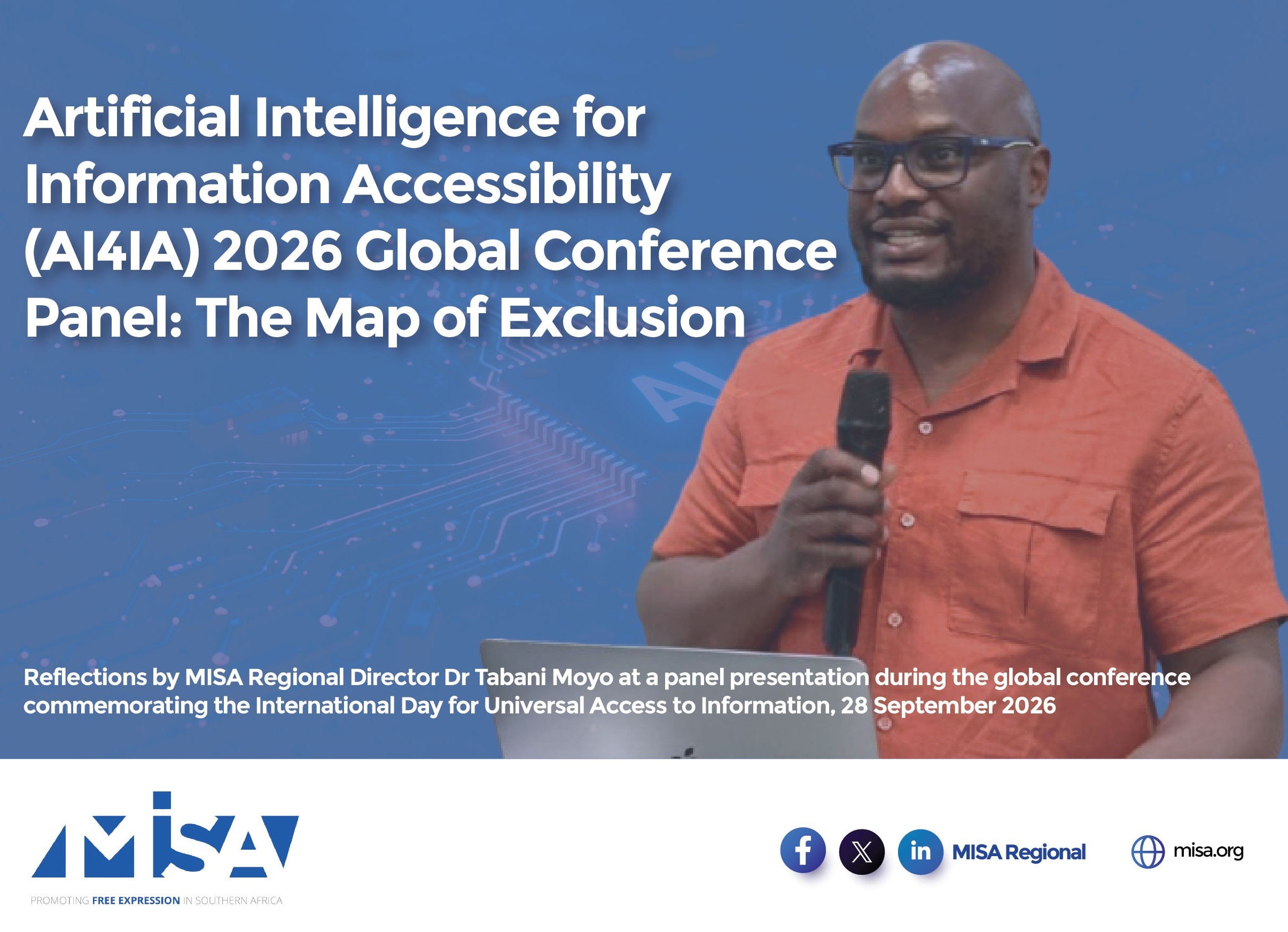


This year’s global theme for the International Day for Universal Access to Information (IDUAI) 2026, Upholding information integrity in the Digital Age: The role of access to information in addressing information disorder, addresses a critical challenge facing Southern Africa.
Information ecosystems across Southern Africa are undergoing rapid transformation, marked by the swift spread of disinformation, shifting audience habits and declining trust in public information sources.
Access to reliable, timely, and verified official information is essential to building public trust and countering information disorder.
Across SADC Member States, recent democratic exercises, such as the 2026 General Elections in Zambia, highlight that media freedom, digital rights, and open access to information are the ultimate crucible for institutional endurance and electoral integrity.
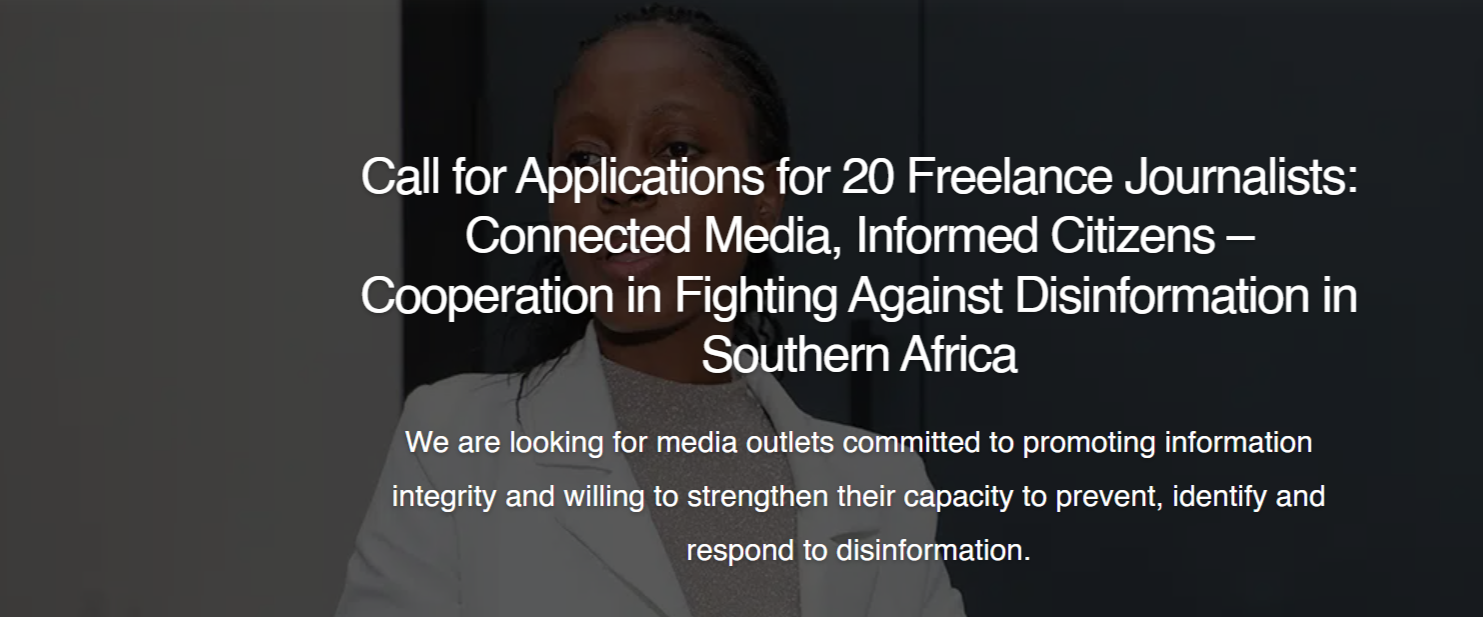
Addressing information disorder requires sustained capacity-building and regional cooperation, as exemplified by initiatives such as MISA’s Connected Media, Informed Citizens project, which supports journalists and citizens in combating disinformation.
To safeguard information integrity, governments must move beyond reactive measures towards proactive disclosure and modern record-keeping practices.
Furthermore, in the modern era, access to information is inseparable from digital connectivity.
While legislative milestones, such as access to information, have been enacted across much of the region, internet affordability and access to infrastructure remain decisive factors in whether citizens can meaningfully exercise their constitutional rights.
MISA calls on regional authorities to prioritise digital inclusion and to treat affordable internet access as a core prerequisite for freedom of expression.
MISA aligns its regional interventions with key continental standards highlighted at the IDUAI 2026 Global Conference, notably Pretoria’s Proposition for Action and the AU African Guidelines for Access to Data.
Furthermore, strengthening the media ecosystem approach in line with the SADC Secretariat’s strategic goals for communications, awareness, and visibility is necessary to ensure that regional development objectives remain transparent and accessible to all citizens.
To mark IDUAI 2026, MISA urges SADC Member States, national chapters, and civil society partners to act on the following regional priorities:
- Fully implement access to information (ATI) laws by establishing independent oversight bodies and enforcing proactive disclosure standards across all public institutions.
- Ensure internet affordability and digital rights by adopting inclusive policies that reduce data costs and guarantee open, uninterrupted digital communications, particularly during national elections.
- Support independent media ecosystems and civic literacy campaigns that equip citizens to evaluate digital content critically.
- Integrate Pretoria’s Proposition for Action and the AU African Guidelines on Access to Data into national legislative frameworks.
Access to credible information is not merely a legal right, it is a vital instrument for transparency, public accountability and sustainable development across Southern Africa.
MISA Regional Office International Day for Universal Access to Information Statement
Jeremias Langa
Chairperson
MISA Regional Governing Council